Sciatica Treatment
Ignite Chiropractic provides assessment and chiropractic care for individuals experiencing symptoms associated with sciatica. Our approach to sciatica treatment focuses on understanding your condition and determining appropriate care options, including support for those seeking sciatica pain relief where suitable.
Sciatica Treatment
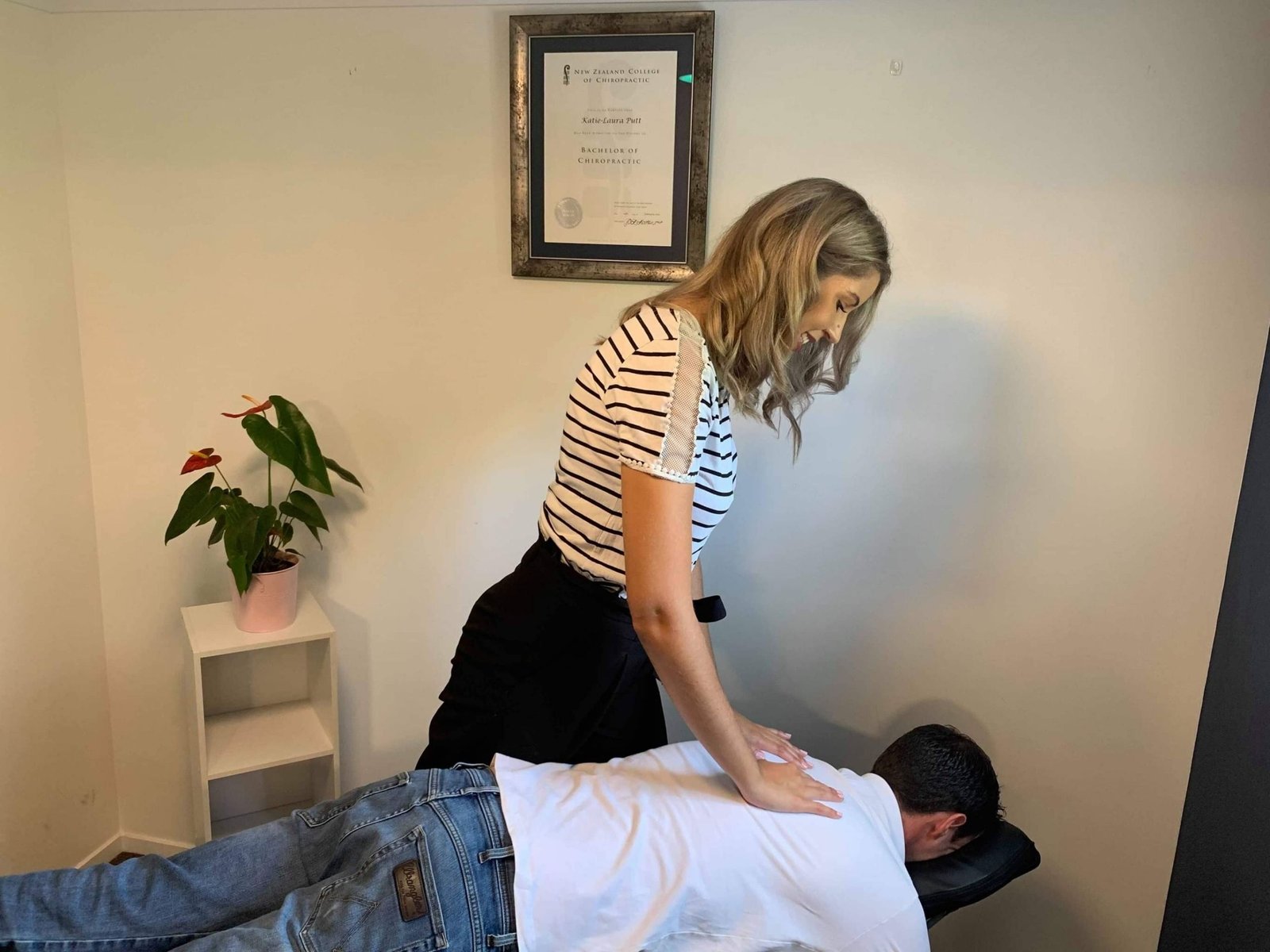
At Ignite Chiropractic, we provide chiropractic care for individuals experiencing symptoms that may be associated with sciatica, such as lower back or leg discomfort. Our approach is based on assessment, helping to identify contributing factors and determine whether care is appropriate.
When you visit for sciatica treatment in Auckland, your chiropractor will take the time to understand your symptoms, health history, and daily activities. This is followed by a physical assessment to guide clinical decision-making.
Care may include gentle techniques, movement advice, and postural guidance where relevant. For individuals with ongoing symptoms, options for managing discomfort, including approaches aimed at sciatica pain relief, may be discussed based on your individual needs.
Everyday Factors That May Contribute to Sciatic Symptoms
Symptoms associated with sciatica may be influenced by daily habits such as prolonged sitting, lifting, or movement patterns. These factors can vary between individuals.
During your visit, your chiropractor may discuss lifestyle factors that could be contributing to your symptoms. Addressing these may form part of a broader approach to managing discomfort, including strategies related to sciatica pain relief.
Understanding the Progression of Sciatic Symptoms
Symptoms associated with sciatica can vary and may change over time. Seeking an assessment can help determine the cause of symptoms and whether care is appropriate.
In some cases, ongoing symptoms may affect movement or daily activities. Early evaluation allows for informed decisions about management options, including whether care aimed at sciatica pain relief is suitable.
Conditions That May Be Evaluated
Chiropractic care may be considered for a range of symptoms associated with sciatica following an appropriate assessment. Suitability depends on individual presentation, history, and clinical findings.

Lower Back and Leg Discomfort
Some individuals experience discomfort that extends from the lower back into the leg. Assessment helps identify contributing factors and guide appropriate care options.
Persistent Sciatic Symptoms
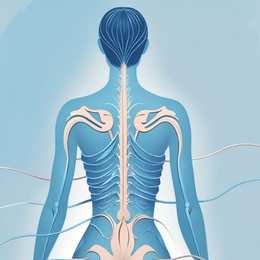
Ongoing symptoms may require a structured approach to management. Care decisions are based on individual response and clinical findings over time.

Disc-Related Concerns
Changes involving spinal discs may be associated with sciatic symptoms. Assessment helps determine whether chiropractic care is appropriate or if further evaluation is needed.

Postural-Related Sciatica
Prolonged sitting or certain movement habits may contribute to symptoms. Posture and daily activities may be reviewed as part of the assessment.

Activity-Related Sciatica
Physical strain or activity may be linked to sciatic symptoms in some cases. Care is considered based on the nature and extent of the condition.
Chiropractic Care for Sciatic Symptoms
If you are experiencing symptoms associated with sciatica, Ignite Chiropractic offers sciatica treatment in Auckland based on individual assessment and clinical judgement.
Why Choose Ignite Chiropractic?
Choosing a provider for sciatica treatment involves understanding how care is delivered and whether it aligns with your needs. Ignite Chiropractic focuses on assessment-based care, clear communication, and patient-centred decision-making.

Registered and Qualified Care
Care is provided by a registered chiropractor trained in assessing musculoskeletal conditions, including those associated with sciatic symptoms. All care is delivered in line with professional standards.

Local North Shore Clinic
Located in Campbells Bay, Ignite Chiropractic is accessible for those seeking sciatica treatment in Auckland. The clinic serves the North Shore community with convenient access to care.

Gentle Techniques Where Appropriate
A range of chiropractic techniques may be used depending on your presentation and comfort level. These are selected based on clinical findings and individual needs.

Gentle Techniques Where Appropriate
A range of chiropractic techniques may be used depending on your presentation and comfort level. These are selected based on clinical findings and individual needs.

Clear
Communication
You will be informed about your assessment findings and available care options. This supports informed decision-making throughout your care.
Who May Consider Sciatica Treatment?
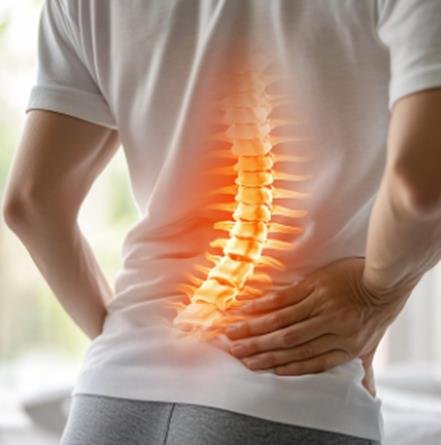
- Office Workers – Prolonged sitting and limited movement may contribute to lower back and leg discomfort. Assessment may include reviewing posture and work-related habits.
- Athletes and Fitness Enthusiasts – Sports and training can place repetitive strain on muscles, tendons, and joints.
- Parents and Caregivers – Repetitive lifting and daily physical tasks may place strain on the lower back and surrounding areas. Care options depend on individual presentation.
- Older Adults – Changes in mobility and joint function may influence symptoms associated with sciatica. Assessment helps guide appropriate management approaches.
- Active Individuals – Sports or physical activity may be associated with strain or movement-related discomfort. Care is based on the type and extent of symptoms.
- Pregnant and Postpartum Individuals – Changes in posture and physical demands may influence lower back and nerve-related symptoms. Care is adapted based on individual needs and clinical considerations.
Book a Sciatica Evaluation
If you are considering sciatica treatment in Auckland, you can book an appointment to determine whether chiropractic care is appropriate for your needs.
Frequently Asked Questions
How is sciatica identified during an assessment?
Sciatica is not a diagnosis on its own but a term used to describe certain nerve-related symptoms. Your chiropractor will assess your history, symptoms, and movement to determine possible contributing factors.
Can sitting for long periods affect sciatic symptoms?
Extended sitting may influence how the lower back and surrounding structures function. This can be discussed during your assessment to identify any relevant contributing factors.
Is it necessary to stop physical activity if I have sciatic symptoms?
This depends on the nature and severity of your symptoms. Your chiropractor may provide guidance on modifying or continuing activity based on your individual situation.
Can footwear or daily habits affect sciatic discomfort?
In some cases, factors such as footwear, movement patterns, or daily routines may influence how the body functions. These may be reviewed as part of your assessment if relevant.
What role does movement play in managing sciatic symptoms?
Movement patterns may influence how symptoms present. Guidance on safe and appropriate movement may be provided where suitable.
Can stress or lifestyle factors contribute to sciatic symptoms?
General lifestyle factors, including activity levels and daily routines, may influence musculoskeletal health. These may be discussed during your consultation if relevant.
What happens if chiropractic care is not suitable for my condition?
If chiropractic care is not appropriate, your chiropractor may discuss alternative options or recommend seeking advice from another healthcare provider.