
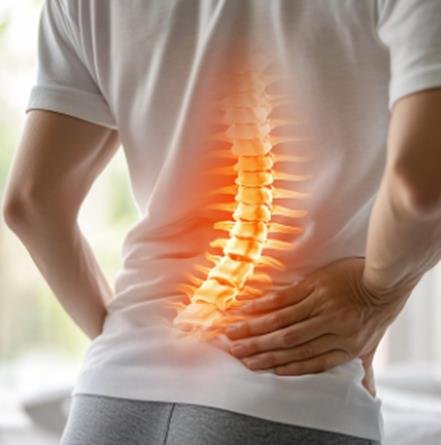
Pain, tingling or numbness travelling down your leg?
Sciatica can feel different from person to person. For some, it starts in the lower back or buttock and travels down the leg. For others, the main symptoms may be tingling, numbness, burning or changes in sensation rather than back pain itself.
The important thing is that sciatica describes a pattern of symptoms, but doesn’t tell us the whole story about what is causing them.
That is why at Ignite Chiropractic, we start by looking at the bigger picture.
Sciatica isn't always just back pain
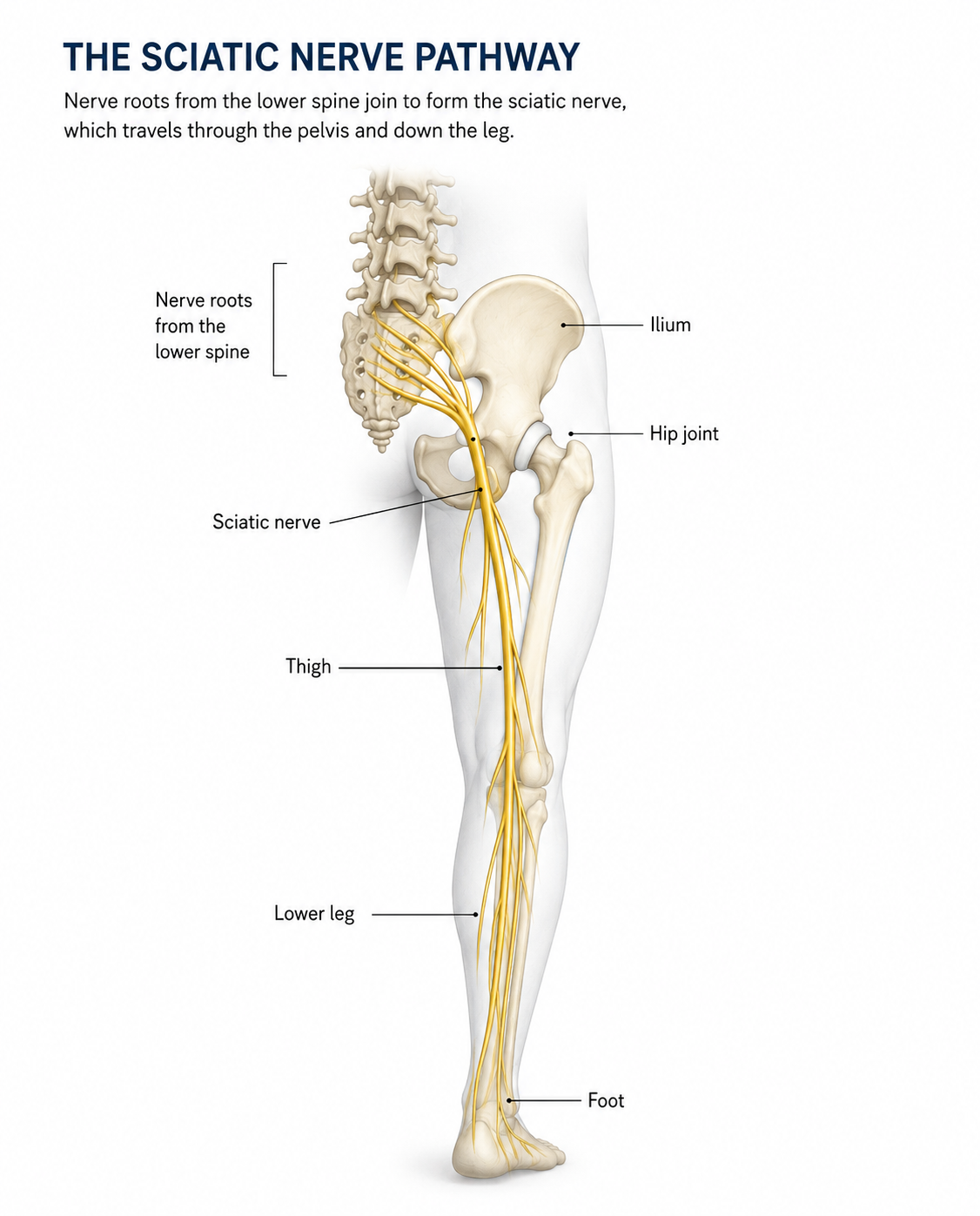
The sciatic nerve is formed from nerve roots in the lower spine, with branches travelling through the pelvis and down the leg. Symptoms along this pathway can be associated with a number of different factors, including irritation or compression affecting the nerve roots.
This means two people who both describe their symptoms as “sciatica” may not necessarily have the same underlying presentation.
Understanding what appears to be contributing is an important first step.
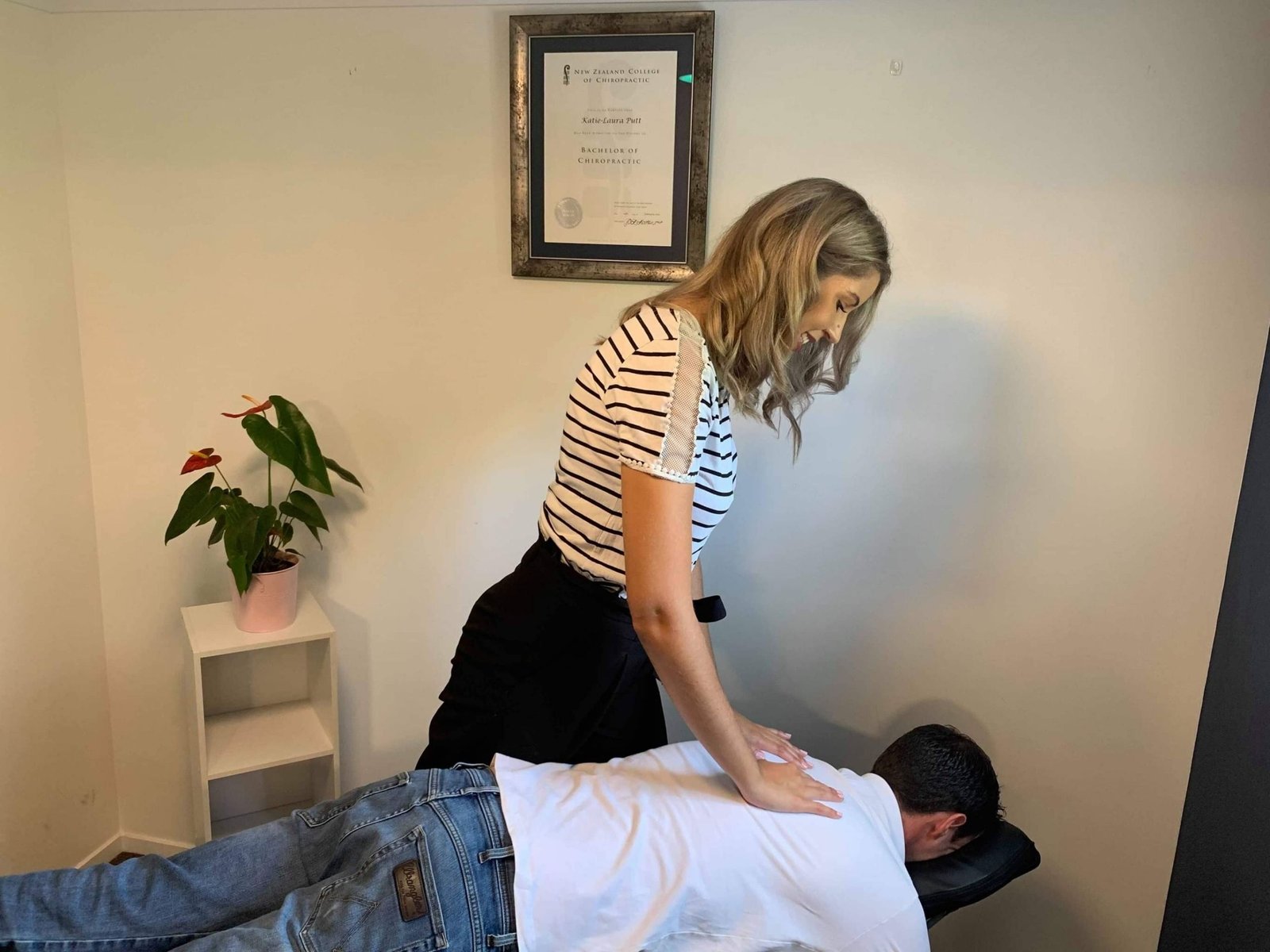
A thorough assessment comes first
At your initial consultation, we take the time to understand not only where you’re feeling symptoms, but how they started, what makes them better or worse and how they are affecting your day-to-day life.
Your examination is then tailored to your presentation and may include assessment of your:
- lower back and pelvic function
- posture and movement
- muscle strength and sensation
- reflexes and other neurological findings
- relevant orthopaedic and chiropractic indicators
This helps us build a clearer picture of what is happening before making recommendations about care.
If your history or examination suggests that further investigation is appropriate, we can also discuss referral for imaging or assessment by another healthcare provider.
A different approach to lower back and sciatic presentations
Sacro Occipital Technique (SOT) is one of the chiropractic approaches used at Ignite.
Within SOT, specific protocols can be selected according to findings involving the lower back and pelvis. Care may include specialised pelvic blocking, where padded blocks are positioned beneath the pelvis and your own body weight and breathing is used as part of the adjustment.
Other chiropractic techniques can also be incorporated depending on your individual findings and what is most appropriate for you.
This gives us a range of options, rather than relying on one type of adjustment for every person.
Care based on what we find
There isn't one adjustment that suits every person with sciatic symptoms.
Your care recommendations are based on your history, examination findings and how you are presenting at the time. At Ignite, we use a range of chiropractic approaches including SOT, pelvic blocking, drop-table, Activator and manual adjusting techniques where appropriate.
The aim is to choose an approach that fits you, rather than fitting every person into the same technique.
What happens at your first appointment?
Your first visit is primarily about understanding what’s going on.
We’ll talk through your history and symptoms and complete a thorough assessment. We don’t routinely adjust at the first appointment. This gives us time to consider your findings before we sit down with you to explain what we’ve found and what we recommend next.
If chiropractic care is appropriate, we’ll discuss your options with you before getting started.
Not sure whether chiropractic is right for you?
Our 1-minute quiz can help you decide whether booking an initial consultation may be worthwhile.
Frequently Asked Questions
How is sciatica identified during an assessment?
Sciatica is not a diagnosis on its own but a term used to describe certain nerve-related symptoms. Your chiropractor will assess your history, symptoms, and movement to determine possible contributing factors.
Can sitting for long periods affect sciatic symptoms?
Extended sitting may influence how the lower back and surrounding structures function. This can be discussed during your assessment to identify any relevant contributing factors.
Is it necessary to stop physical activity if I have sciatic symptoms?
This depends on the nature and severity of your symptoms. Your chiropractor may provide guidance on modifying or continuing activity based on your individual situation.
Can footwear or daily habits affect sciatic discomfort?
In some cases, factors such as footwear, movement patterns, or daily routines may influence how the body functions. These may be reviewed as part of your assessment if relevant.
What role does movement play in managing sciatic symptoms?
Movement patterns may influence how symptoms present. Guidance on safe and appropriate movement may be provided where suitable.
Can stress or lifestyle factors contribute to sciatic symptoms?
General lifestyle factors, including activity levels and daily routines, may influence musculoskeletal health. These may be discussed during your consultation if relevant.
What happens if chiropractic care is not suitable for my condition?
If chiropractic care is not appropriate, your chiropractor may discuss alternative options or recommend seeking advice from another healthcare provider.
Ready to get started?
Book an initial consultation at Ignite Chiropractic in Campbells Bay.

